



Across the country, colleges and universities are raising a collective alarm over a growing trend that threatens to deepen economic inequality for an entire generation. An increasing number of students are choosing not to enter college after completing their school education, and the consequences are becoming painfully visible. For many of these young individuals—especially those from financially vulnerable families—the decision to forgo higher education pushes them directly into low-paying, dead-end jobs with little room for growth, trapping them in long-term poverty.
A National Concern Taking Root
Educators and policy experts observe that the number of students bypassing college is rising steadily. While several universities have been working to make education accessible and career-oriented, the gap between school graduation and college enrollment continues to widen.
The reasons vary—financial constraints, lack of awareness about higher education opportunities, limited parental guidance, and the immediate pressure to earn money. However, the impact is the same: the inability to break free from generational poverty.

When School Ends, Struggles Begin
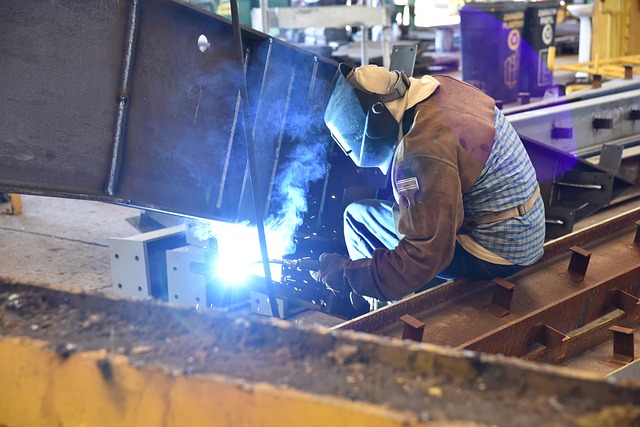
Many students who skip higher education join the workforce prematurely, often ending up in temporary, unstable, or informal sector jobs. These positions offer minimum wages, no job security, and no pathways for future advancement.
Instead of stepping into a structured learning environment that could elevate their skill set, these young individuals find themselves stuck in roles that neither build professional competency nor enhance long-term employability.
The most affected are students from impoverished or lower-middle-class families, who lack exposure to career counselling, mentorship, or educational resources. Their decision is often influenced by immediate survival needs rather than long-term career planning.
A Cycle That Reinforces Inequality

Experts warn that this trend could lock an entire demographic segment into low-income lifestyles for decades. Higher education has historically been the most reliable pathway to economic mobility. Without a college degree or vocational training, students lose access to:
- Stable employment
- Professional skill development
- Opportunities for financial progress
- Social mobility and economic independence
The ripple effects extend beyond individuals. Communities with lower college enrollment rates experience reduced economic growth, fewer skilled professionals, and increased dependence on government welfare programs.
Colleges Calling for Immediate Policy Action
Institutions nationwide are advocating for urgent policy interventions to boost college enrollment. Their recommendations include:
- Stronger career counselling at the school level
- Awareness programmes for parents in low-income communities
- Government-funded scholarships and bridge courses
- Vocational training integrated with degree programmes
- Partnerships with industry to demonstrate real career value
Colleges argue that the aim is not merely to increase admissions but to ensure that every student—regardless of background—understands the long-term value of education.
A Future That Depends on Today’s Choices
The concern shared by colleges is not just about declining admissions; it is about the widening opportunity gap between students who pursue higher education and those who do not.
Unless urgent measures are taken, the nation risks creating a generation trapped in stagnant, low-paying jobs, unable to rise above the economic conditions they were born into.
Higher education, educators say, must not be seen as a luxury—it is a lifeline.


